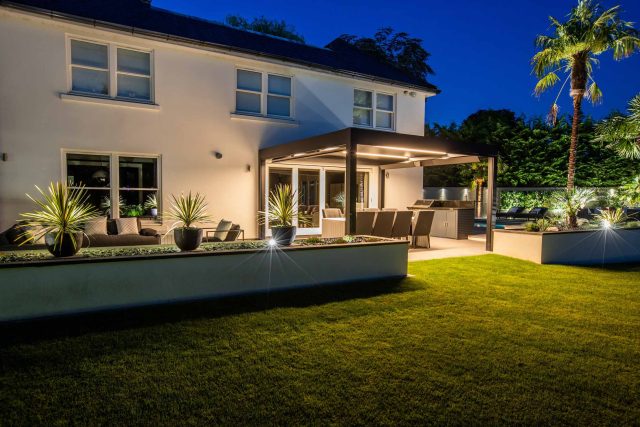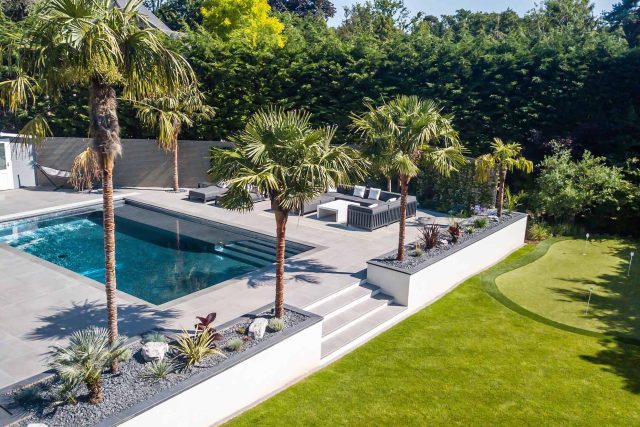

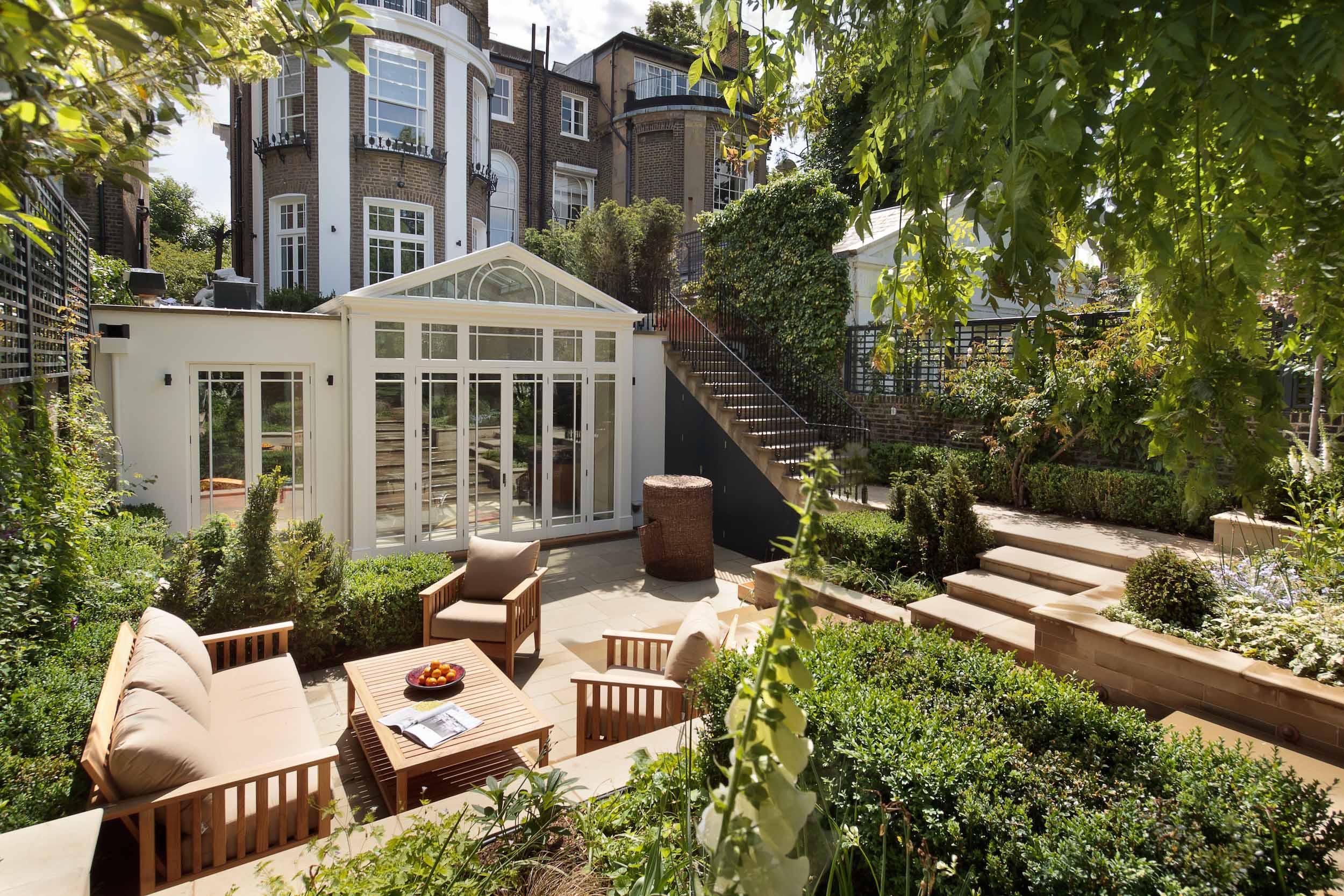

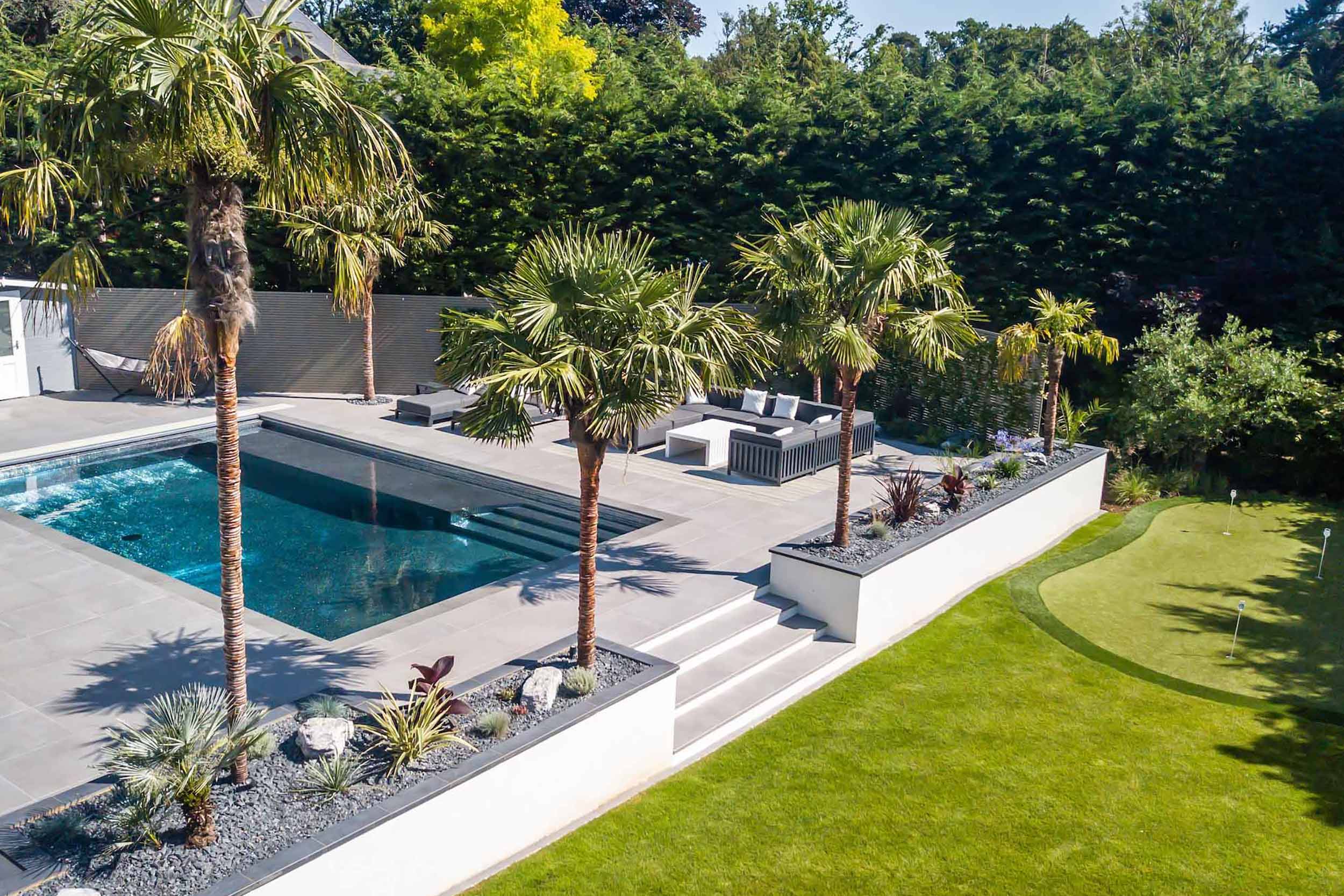
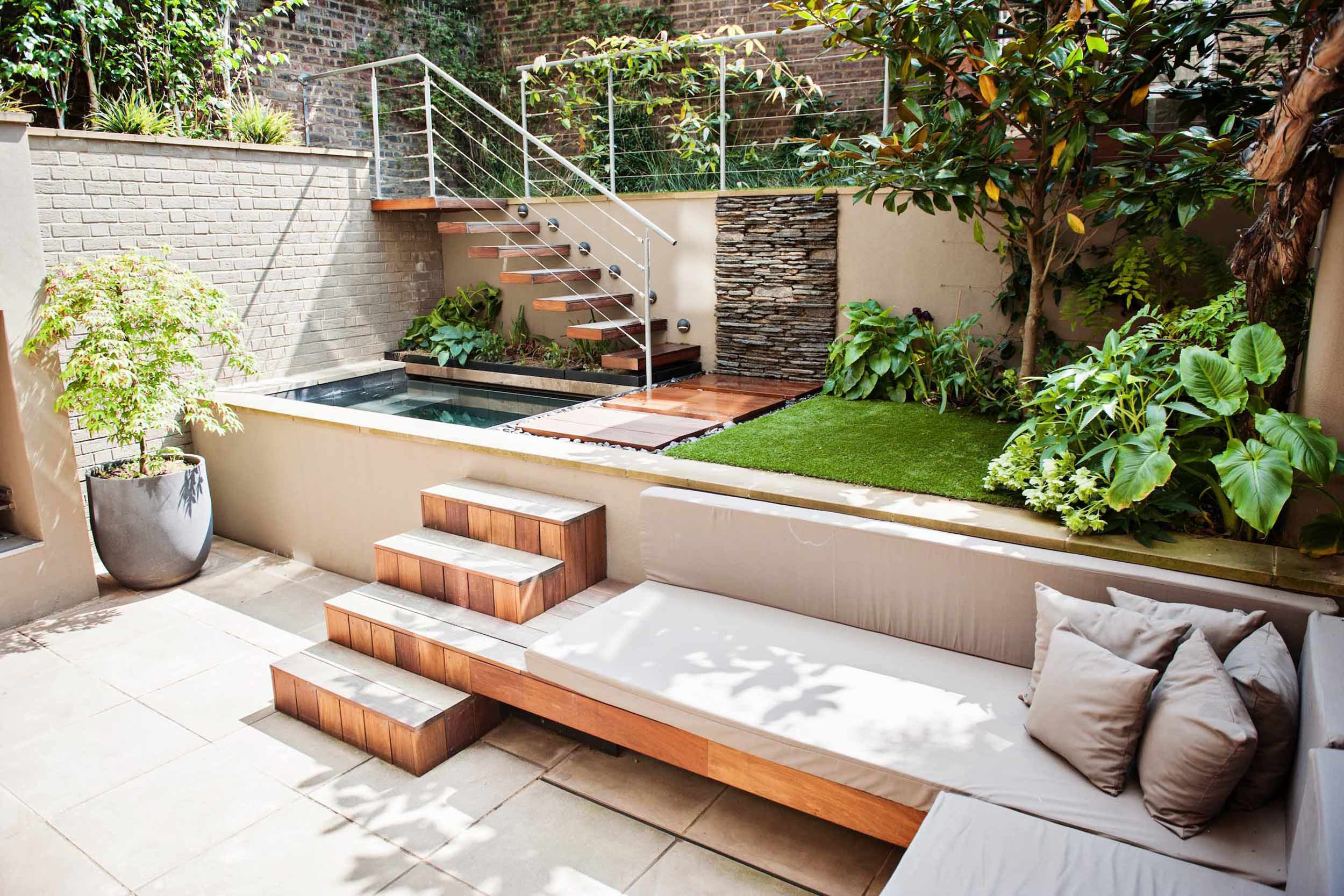
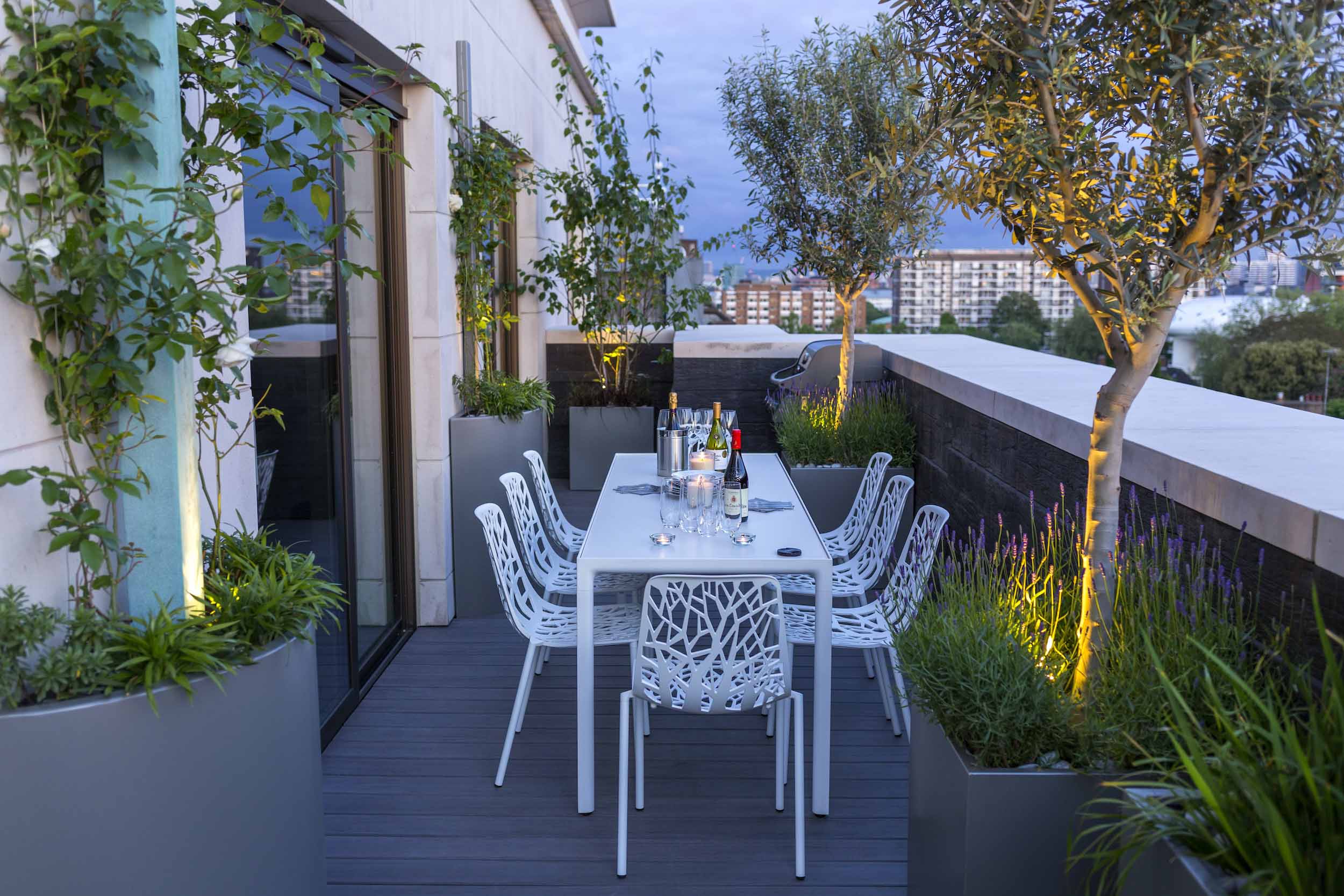
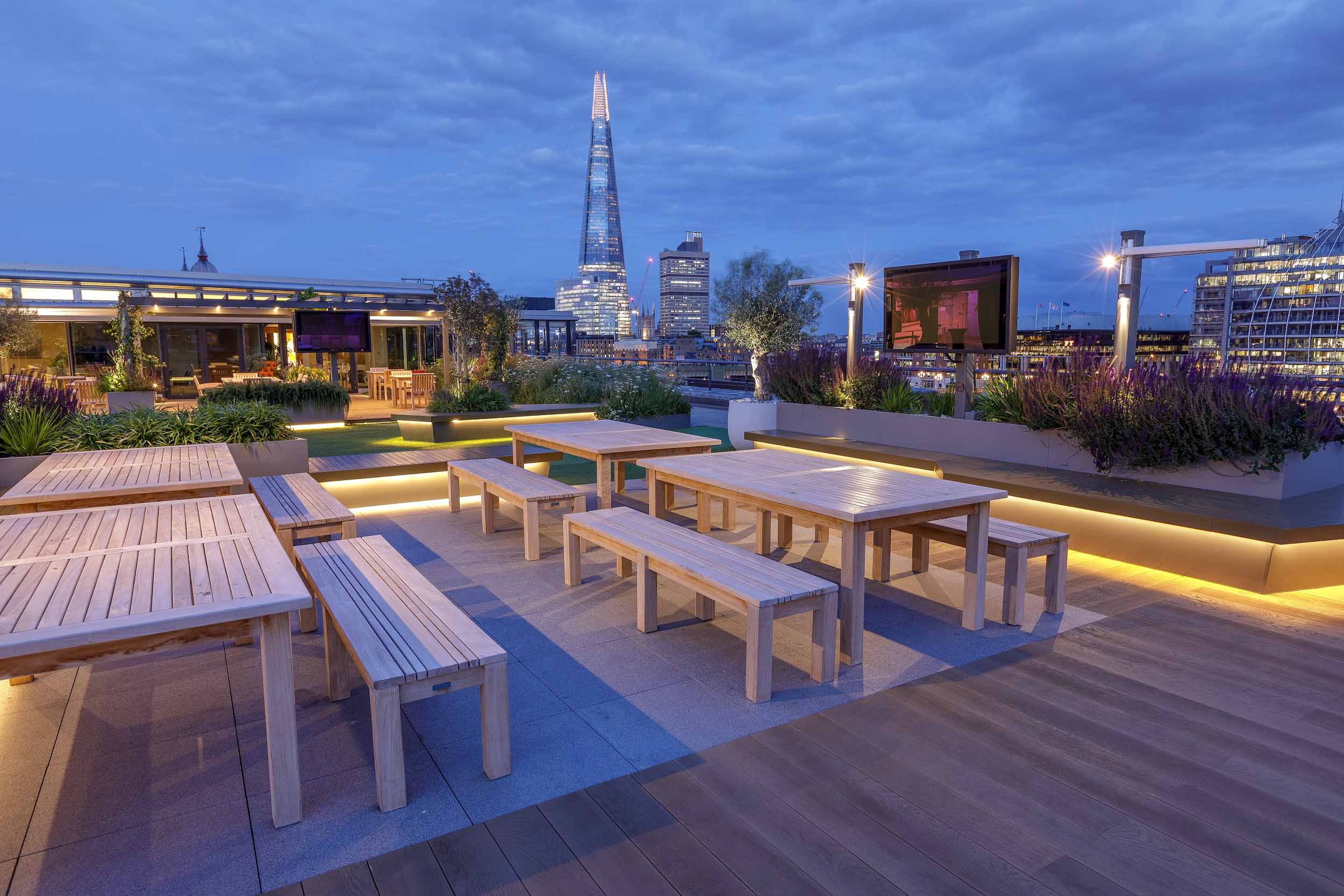
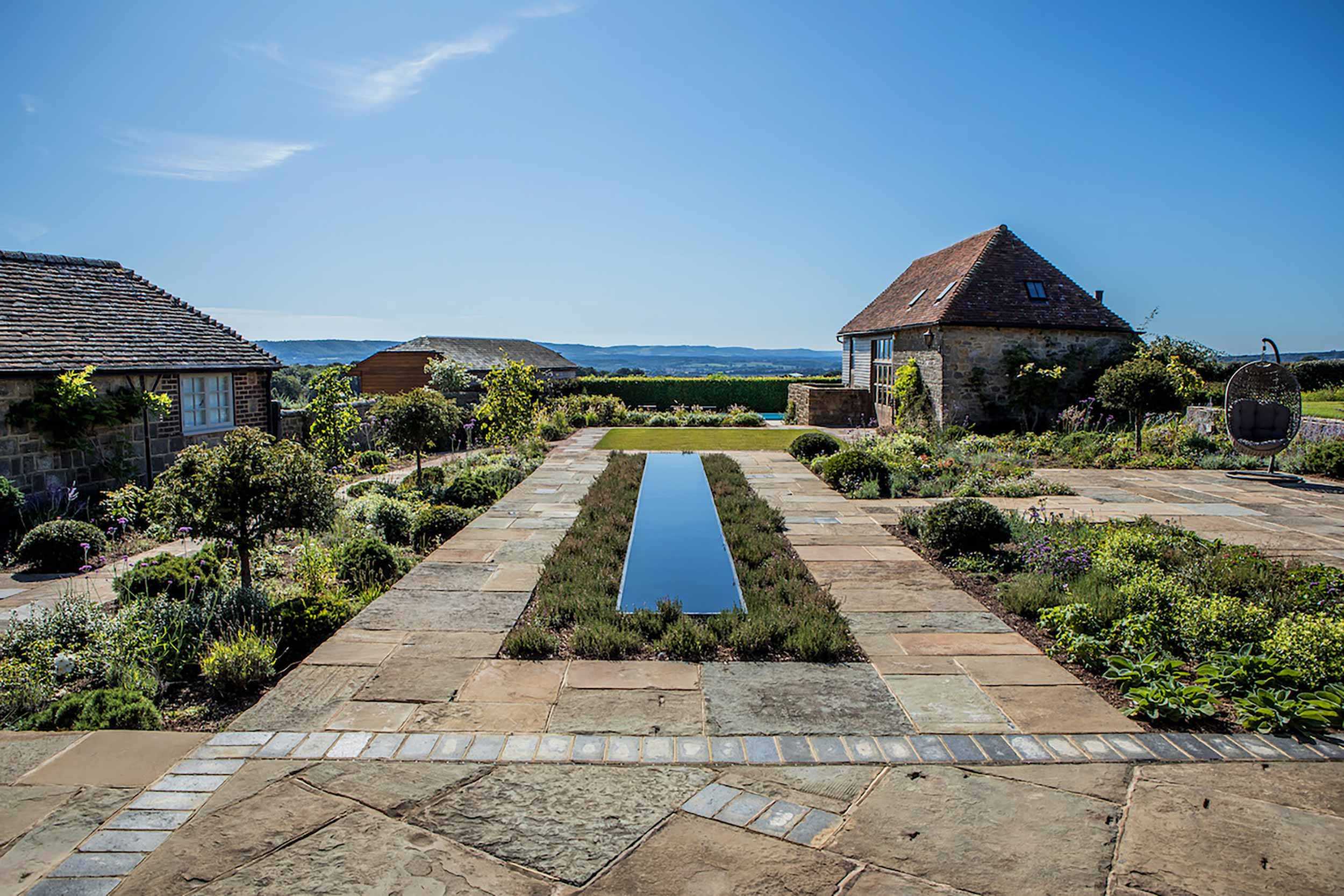
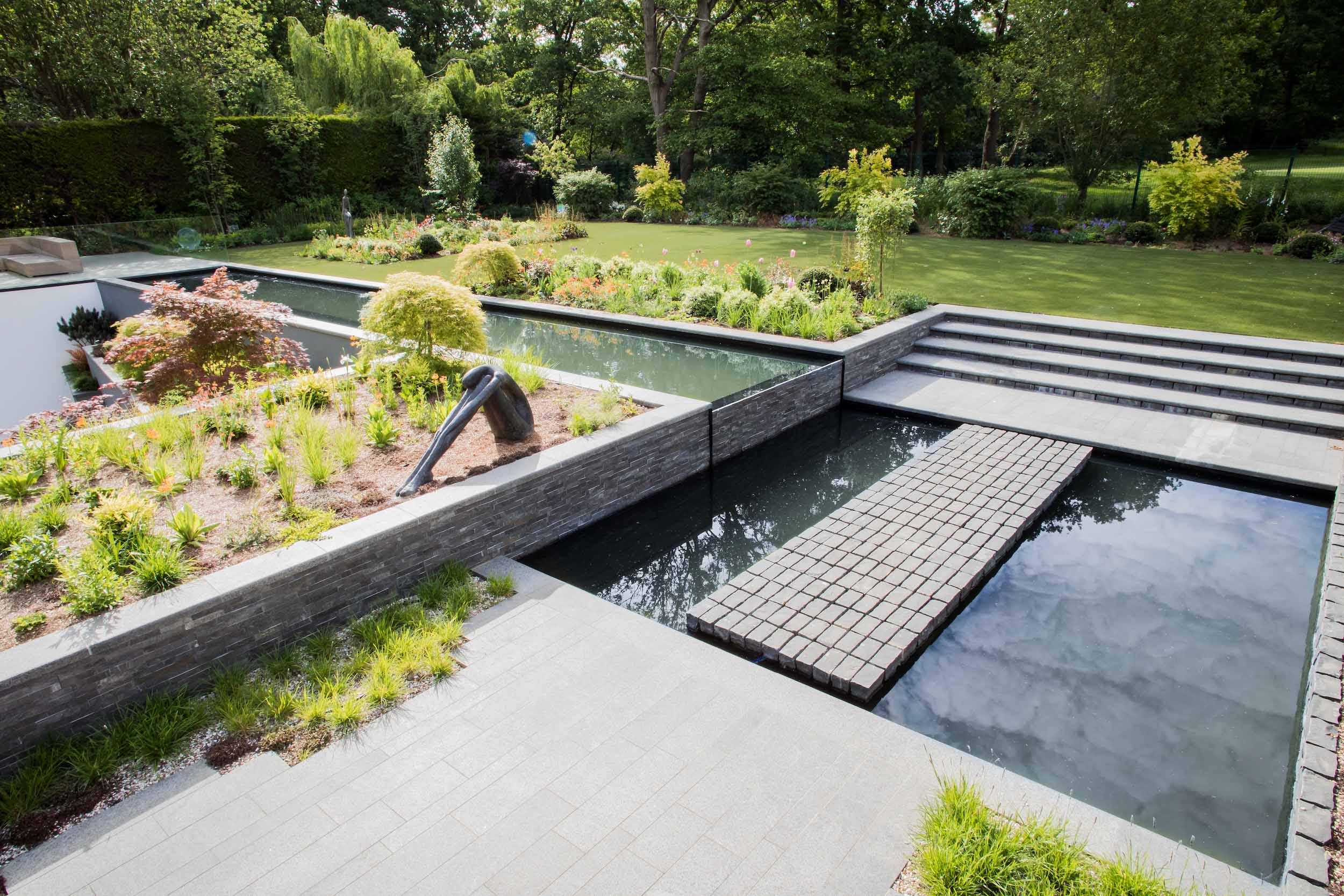
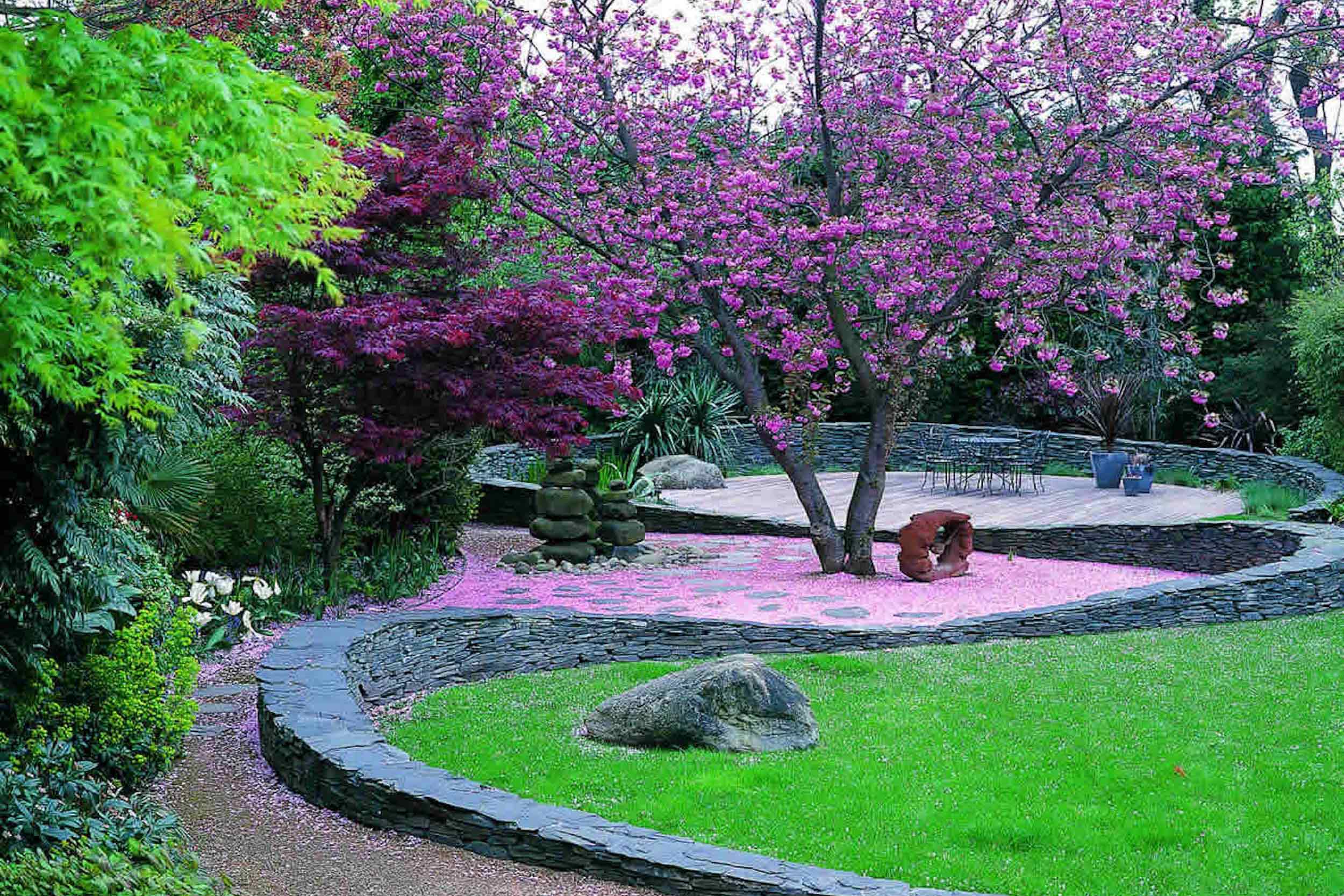
A FULL GARDEN DESIGN & BUILD SERVICE.
Locating a garden designer and a garden builder can be difficult. That’s why at Garden Builders, we offer garden design and garden building and do all the work from start to finish. This saves you time, money and it’s far more convenient.
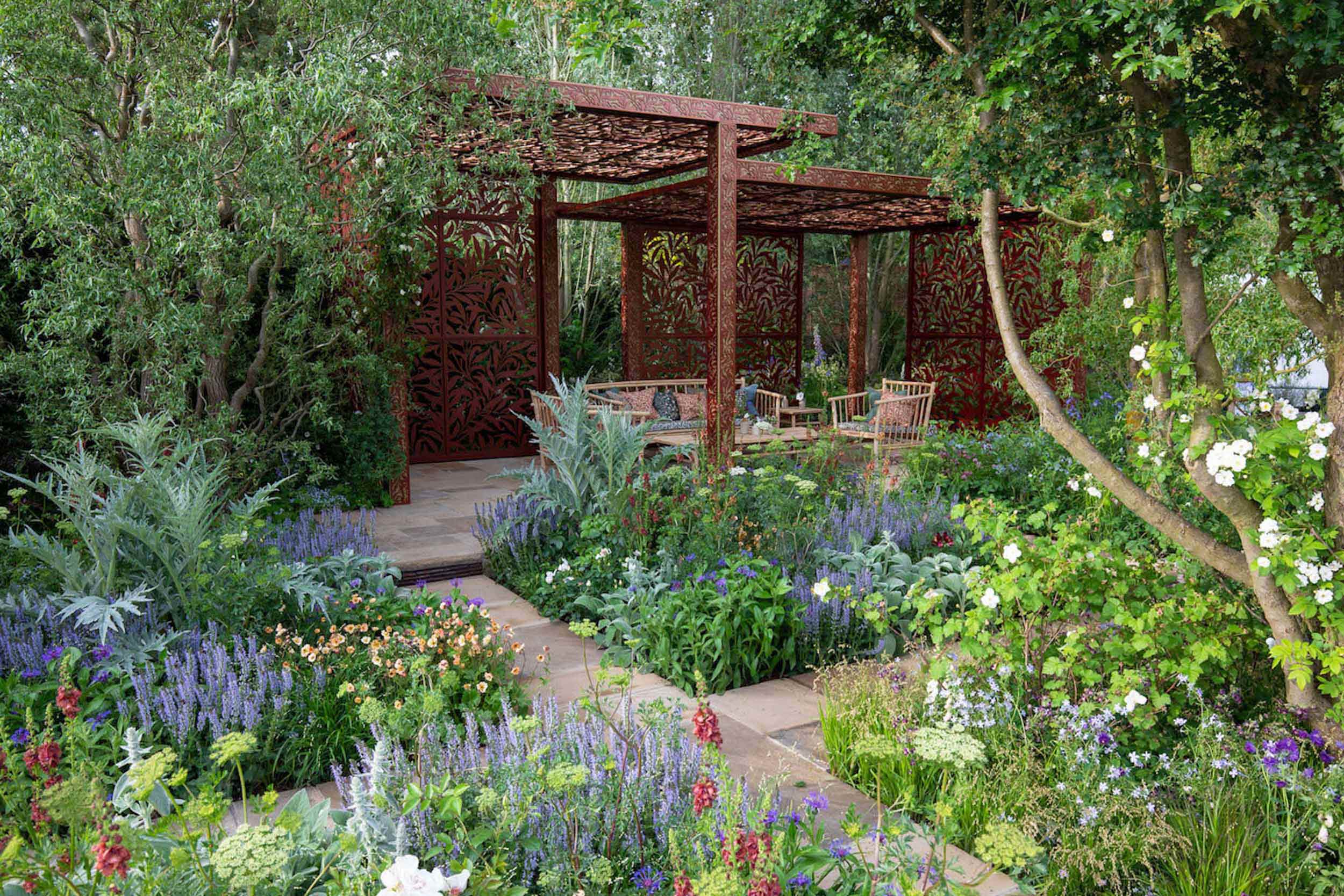
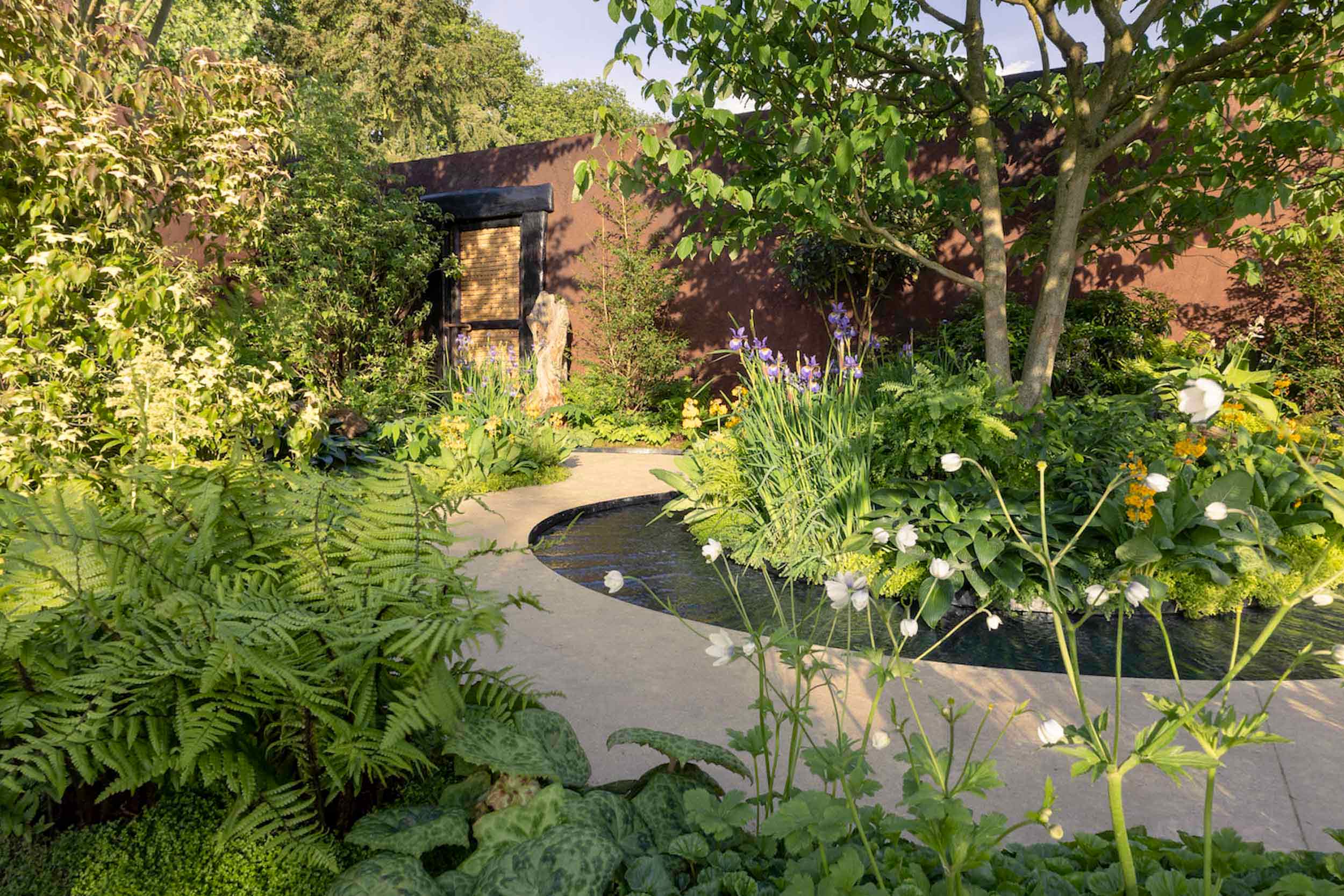
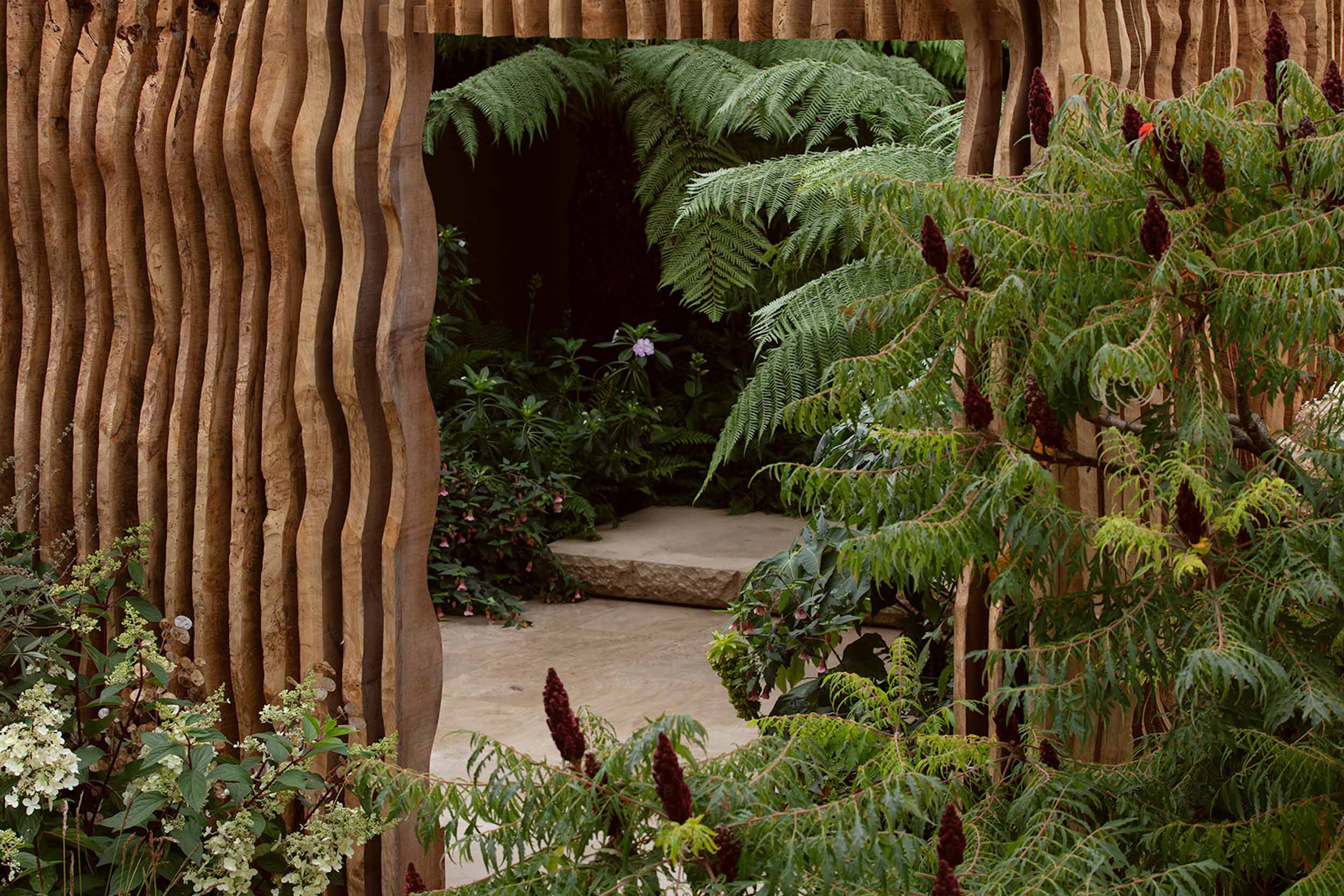
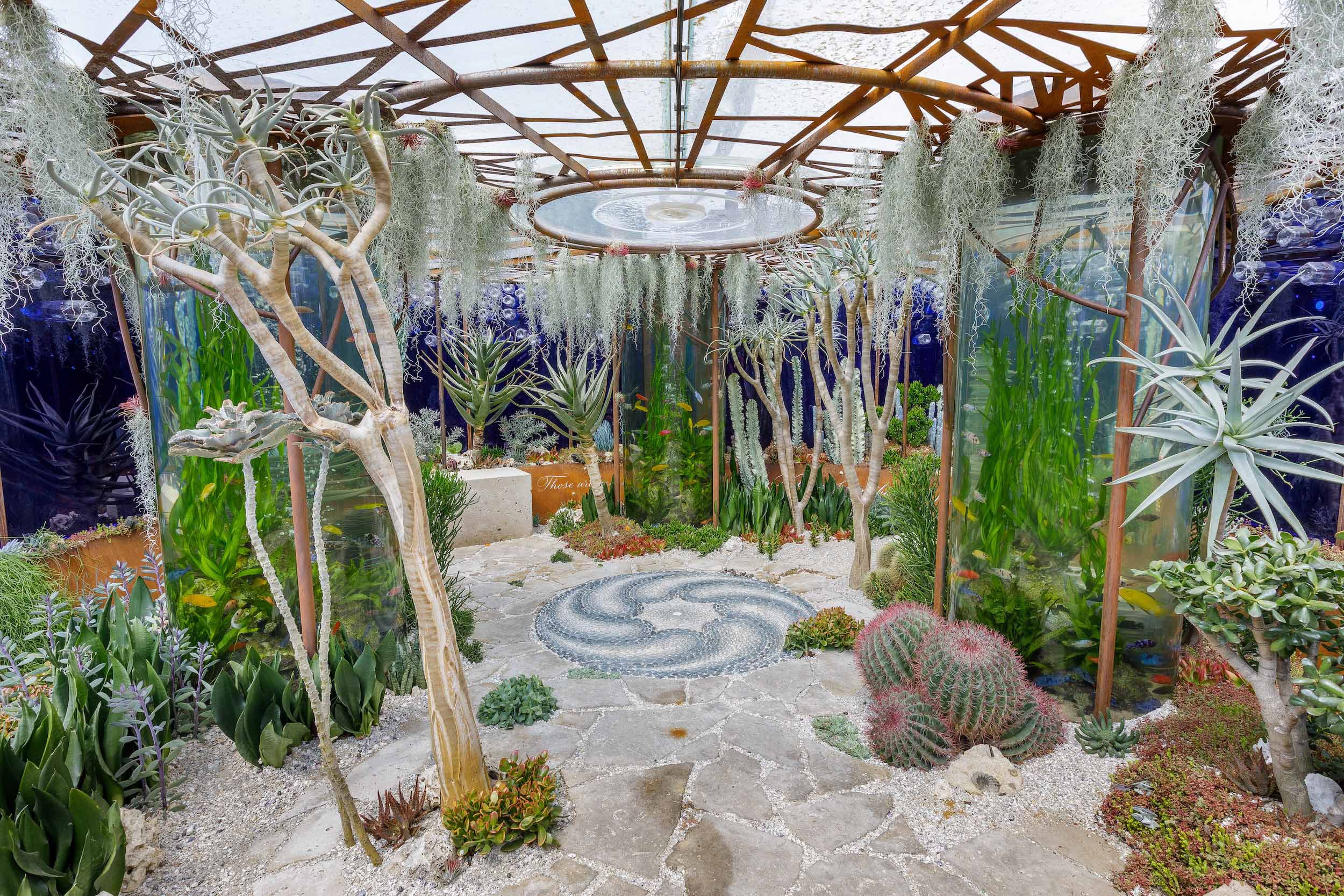
Having won numerous awards at the Royal Chelsea Flower Show, British Association Landscaping Industries & Society Of Garden Designers, we are the best rated garden design and builds in London and The South East. More recently, The Garden Builders picked up 2 Gold Awards at the RHS Royal Chelsea Flower Show for the quality of our landscaping work; further proving the continuity of our high standards.
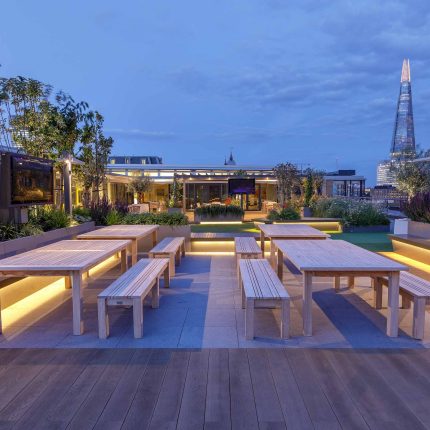
Creating Award-winning Gardens Since 1998
We offer various; professionally crafted design packages that incorporate everything from the initial consultation and design to the planting, lighting and building of the garden. Everything will be handled by us and once you have enquired, you can begin to relax as you are in the best of hands.
The Garden Builders are always setting the benchmark for quality in this industry and that originates from the team members here. They are highly skilled with strong technical experiences and brilliant problem solvers. This helps to ensure that the quality of the finish is up there amongst the best; whether that is the planting, paving, lighting and more.
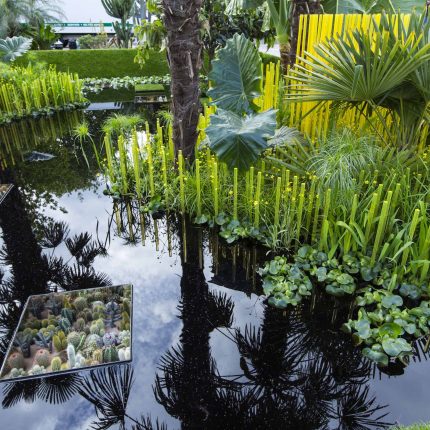
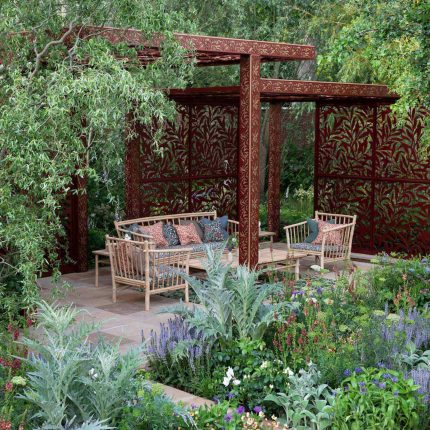
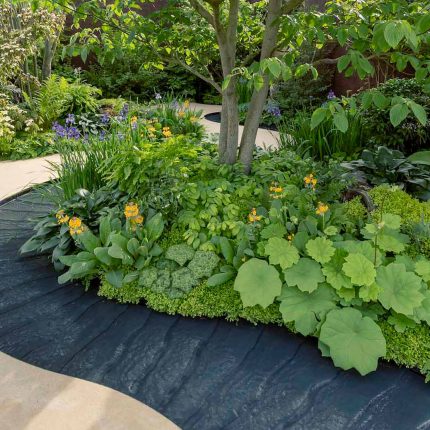
AWARD WINNING GARDEN DESIGNERS & CONTRACTORS.
Armed with an expert team of garden experts, horticulturalists, foreman and garden designers, you are in safe hands and with the knowledge that we will handle everything going forward. We offer transparency in our communication to our clients to help keep them at ease. We take all the stress out of finding third parties and do all the work ourselves with our expert designers and builders. With experience in creating large, family & small gardens, roof terraces and commercial gardens, no job is too big or too inaccessible for The Garden Builders.
GET IN TOUCH
Monday to Friday: 9am – 5pm
Call: 020 3982 7261
Email: enquiries@gardenbuilders.co.uk
The Garden Builders
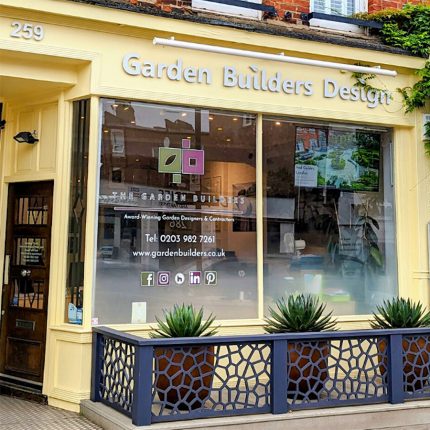
259 Munster Rd, London SW6 6BW
United Kingdom
AWARD WINNING GARDENS






















FREQUENTLY ASKED QUESTIONS
Formed in 1998, the Garden Builders specialises in the design and construction primarily of private domestic gardens, both in the United Kingdom and overseas. Through the years, we have built a solid reputation also as garden consultants and for producing well-constructed gardens that meet and exceed our clients’ expectations.